Renovating an older Fremantle home: what to check first
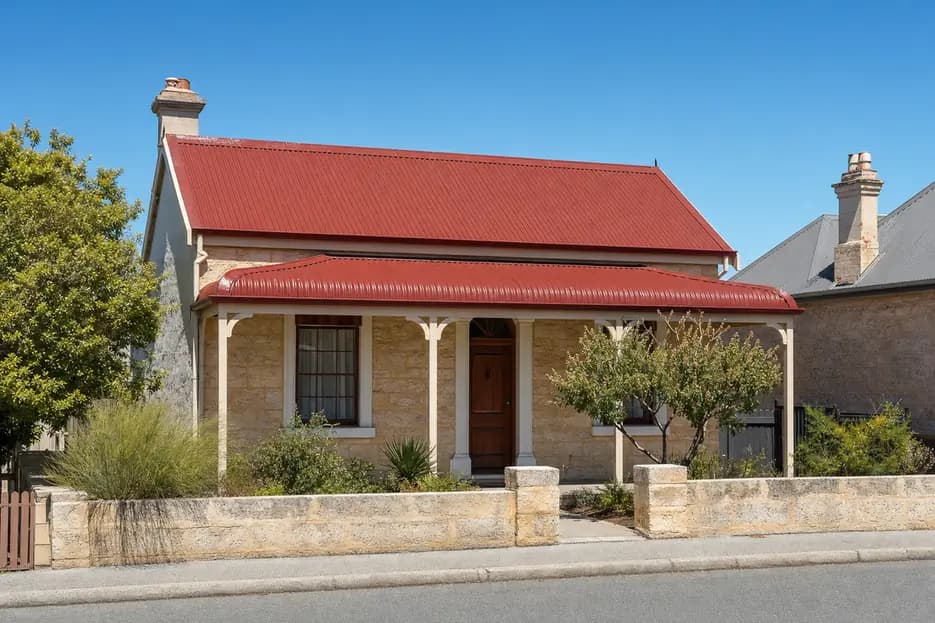
Fremantle has a lot of old limestone cottages, Federation houses and post-war homes. They're worth renovating, but it pays to check a few things before you plan the work.
Is the house heritage listed?
Start with your council. Some houses are on a heritage list, and some streets sit in a heritage area, which can mean approval is needed for changes, mostly to the outside and the street front.
The State's inHerit database is another place to look. Inside work often isn't affected, but check before you plan anything that changes what people see from the street.
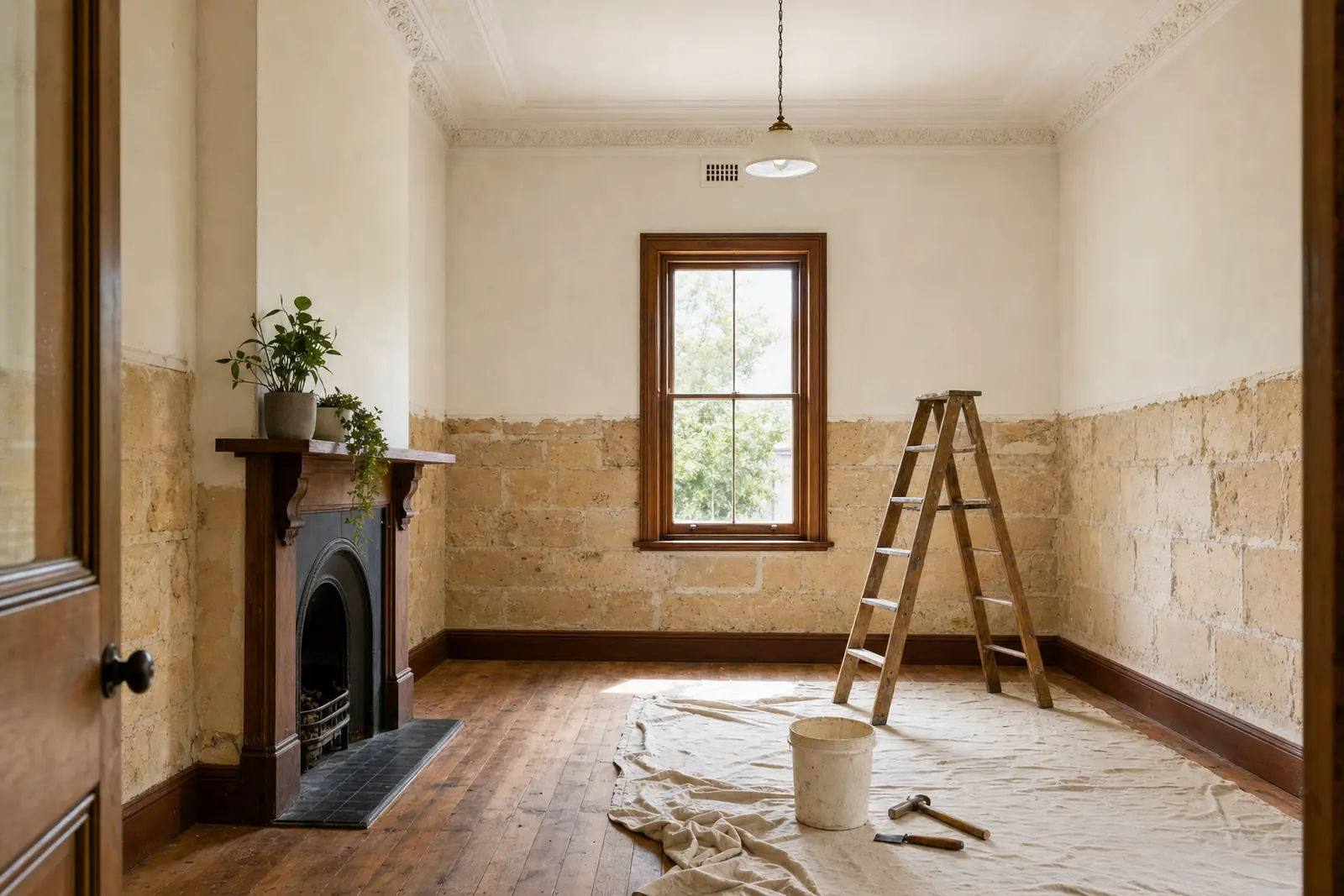
Damp in the limestone
Limestone soaks up water from the ground. Rising damp shows as bubbling paint, crumbling plaster or a tide mark low on the walls.
It needs to be fixed before new plaster or paint goes on, or the new finish fails the same way. Covering limestone with a coating that traps the moisture usually makes it worse.
Floors and stumps
Many older houses sit on timber or limestone stumps with a timber floor on top. A floor that bounces, slopes or has gaps under the skirting can mean a stump has dropped or a bearer, one of the beams under the boards, has rotted.
It's worth knowing before a bathroom or kitchen goes in, since tiles need a firm, level floor. Termite damage shows up here too.
Wiring, pipes and the roof
Old wiring, like rubber-coated cable or a fuse box with no safety switch, is often replaced during a renovation while the walls are open. That work is done by a licensed electrician.
Galvanised steel water pipes rust from the inside and lose pressure over time. A roof that leaks undoes everything under it, so check it before any ceiling or wall is fixed.
Asbestos and lead paint
Many older Australian houses used asbestos sheeting in eaves, bathroom and laundry walls and under floor coverings. It has to be tested before anything is cut, drilled or removed, and taken out by a licensed removalist where the rules require it.
Lead paint is common under newer layers in older homes. Sanding or scraping it releases toxic dust, so test it first, especially with young children in the house.
Do it in the right order
Fix what's underneath first: the roof, the damp, the stumps and floors, the wiring and the pipes. Then the kitchen and bathroom, with floors and paint last, so the heavy work doesn't damage new finishes.
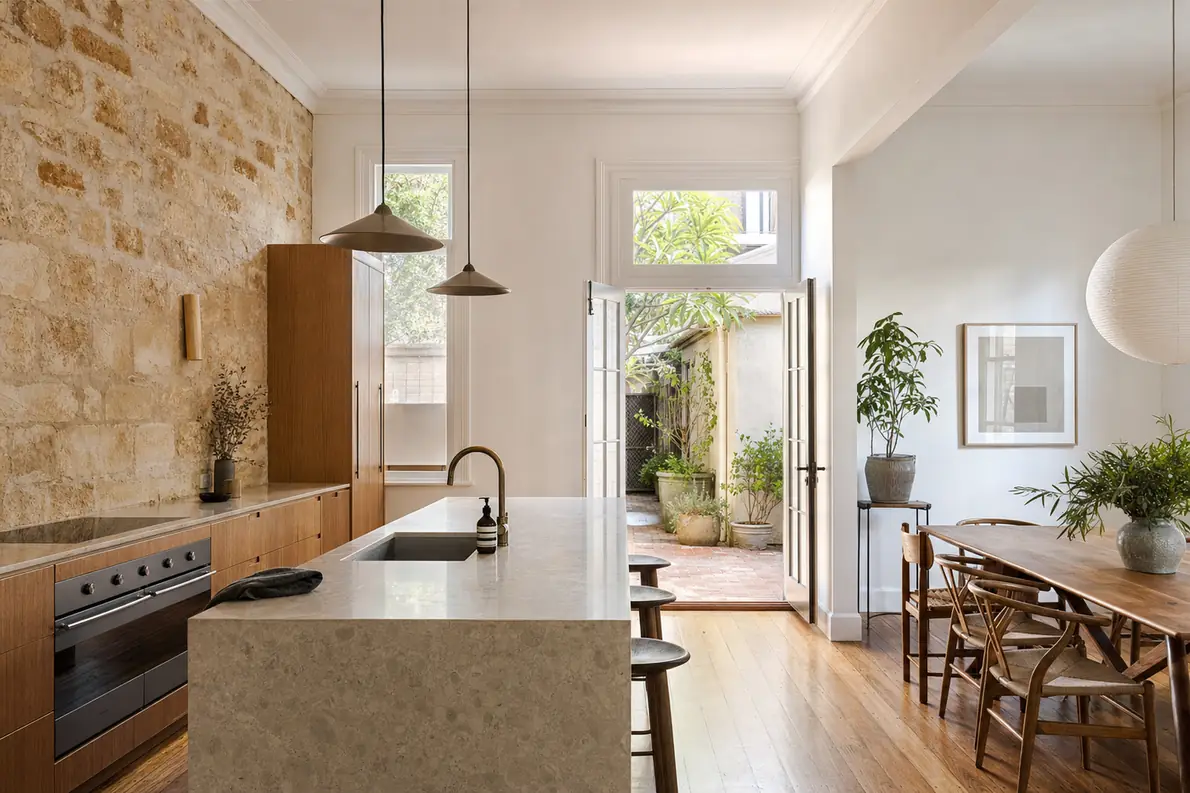
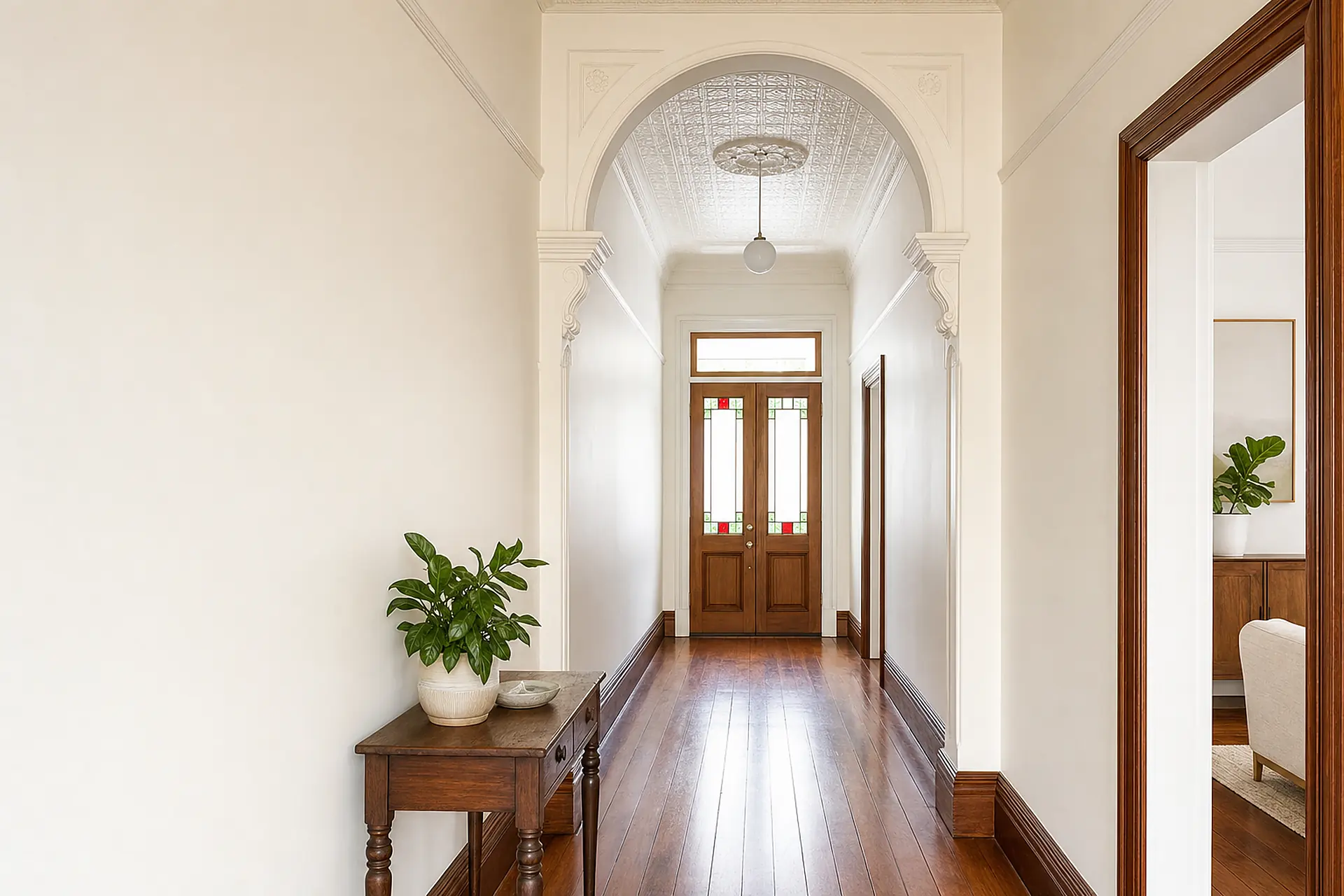
Keep the features you love, like jarrah floorboards, cornices and fireplaces. They can usually be repaired, and they're hard to replace once they're gone.
Questions
How do I know if my house is heritage listed?
Ask your council or search its heritage list online. The State's inHerit database also lists places on state and local registers.
What does rising damp look like?
Bubbling or flaking paint, crumbling plaster, a white powdery crust or a tide mark on the lower part of the wall, often with a musty smell.
Should I replace old jarrah floorboards?
Usually not. Jarrah is hard-wearing, and old boards can be patched, sanded and re-coated. Replace only the boards that are rotten or badly damaged.
Planning a renovation?
We'll come out and measure the room, then give you a free quote.
Get a quoteHeritage and character homes